7 WhatsApp Bulk Message Sender Platforms With Scheduling Features
You need to send scheduled WhatsApp broadcasts, but the tool you're using either lacks scheduling or makes it painfully manual. That gap costs you hours every week and forces campaigns to go out at the wrong time. By the end of this article, you'll have seven concrete platforms to compare, the exact criteria to judge them against, and a clear #1 pick that fits most business needs.
We'll walk through what scheduling features actually matter, then break down each option from Com.bot to Getgabs. You'll finish knowing which platform handles your volume, team size, and automation requirements without guesswork.
What to Look For in a WhatsApp Bulk Message Sender With Scheduling
Before you pick a WhatsApp bulk message sender with scheduling, you need to know the exact features that separate a reliable tool from a headache. The right platform protects your sender reputation, keeps you compliant, and saves hours of manual work. The wrong one can get your number banned or waste your budget on undelivered messages.
Start with the most critical decision: official API versus unofficial API. An official WhatsApp Business API connection is the only compliant way to run broadcast messaging at scale. Unofficial APIs, often built on WhatsApp web sender tricks, risk account bans and lack the encryption guarantees that businesses need.
Here are the seven features that matter most when comparing bulk sender software:
- Official WhatsApp API access for compliance and long-term stability
- Advanced scheduling capabilities including time-zone scheduling and drip campaigns
- Contact management with segmentation and opt-in handling
- CRM integration to keep conversations and data in sync
- Delivery reports that show real send status, not just queued messages
- Rate limiting controls to protect your sender reputation
- Security features including end-to-end encryption and multi-user access
Scheduling capabilities go far beyond picking a date and time. Look for time-zone scheduling that automatically delivers messages when each recipient is awake. Drip campaigns, which send a sequence of scheduled messages over days or weeks, are essential for onboarding flows and lead nurturing.
The message queue should handle thousands of tasks without crashing. A good bulk messaging platform lets you pause, edit, or cancel scheduled messages before they send. This flexibility prevents embarrassing mistakes when plans change mid-campaign.
Contact management determines whether your WhatsApp campaign reaches the right people. You need segmentation tools to group contacts by behavior, location, or purchase history. More importantly, the platform must respect opt-in contacts and process WhatsApp opt-out requests automatically.
Sending to people who never agreed to receive messages is the fastest way to get flagged. The best bulk sender software makes consent tracking visible and simple. Look for features that store proof of opt-in for every contact in your list.
CRM integration connects your WhatsApp marketing to the rest of your sales stack. When a contact replies to a broadcast, that conversation should appear in your CRM automatically. This turns one-way broadcast messaging into a two-way relationship channel.
Without integration, your team juggles separate databases and misses follow-up opportunities. The right platform syncs contacts, message history, and campaign data in real time. This matters most for sales teams running automated messaging alongside human outreach.
Delivery reports tell you what actually happened after you hit send. Look for per-message status updates that distinguish between delivered, read, failed, and opted-out. Aggregate analytics should show click-through rates and reply rates for each WhatsApp campaign.
This data is the foundation for improving your message templates and send times. A platform that hides delivery data leaves you guessing about what works. Transparent reporting lets you refine your broadcast messaging strategy with every send.
Rate limiting protects you from sending too fast and getting throttled. WhatsApp Business API enforces strict limits on message throughput. A quality bulk messaging platform manages these limits automatically, spacing out sends to keep your number healthy.
Ask how the platform handles large message queues during peak hours. Does it slow down gracefully or crash? The answer separates enterprise-grade bulk sender software from hobbyist tools.
Security and multi-user access round out the checklist. End-to-end encryption protects message content between sender and recipient, which is non-negotiable for sensitive business communication. Role-based access lets you control who can create campaigns, approve sends, and view contact data.
For growing teams, multi-user access prevents bottlenecks. A marketing assistant can draft scheduled messages while a manager approves the final send. This workflow keeps your WhatsApp marketing organized without sacrificing accountability.
Finally, consider deployment options. A cloud-based sender offers access from anywhere and automatic updates. An on-premise sender gives you full data control but requires maintenance. Choose based on your team's technical capacity and compliance requirements.
1. Com.bot - Best Overall
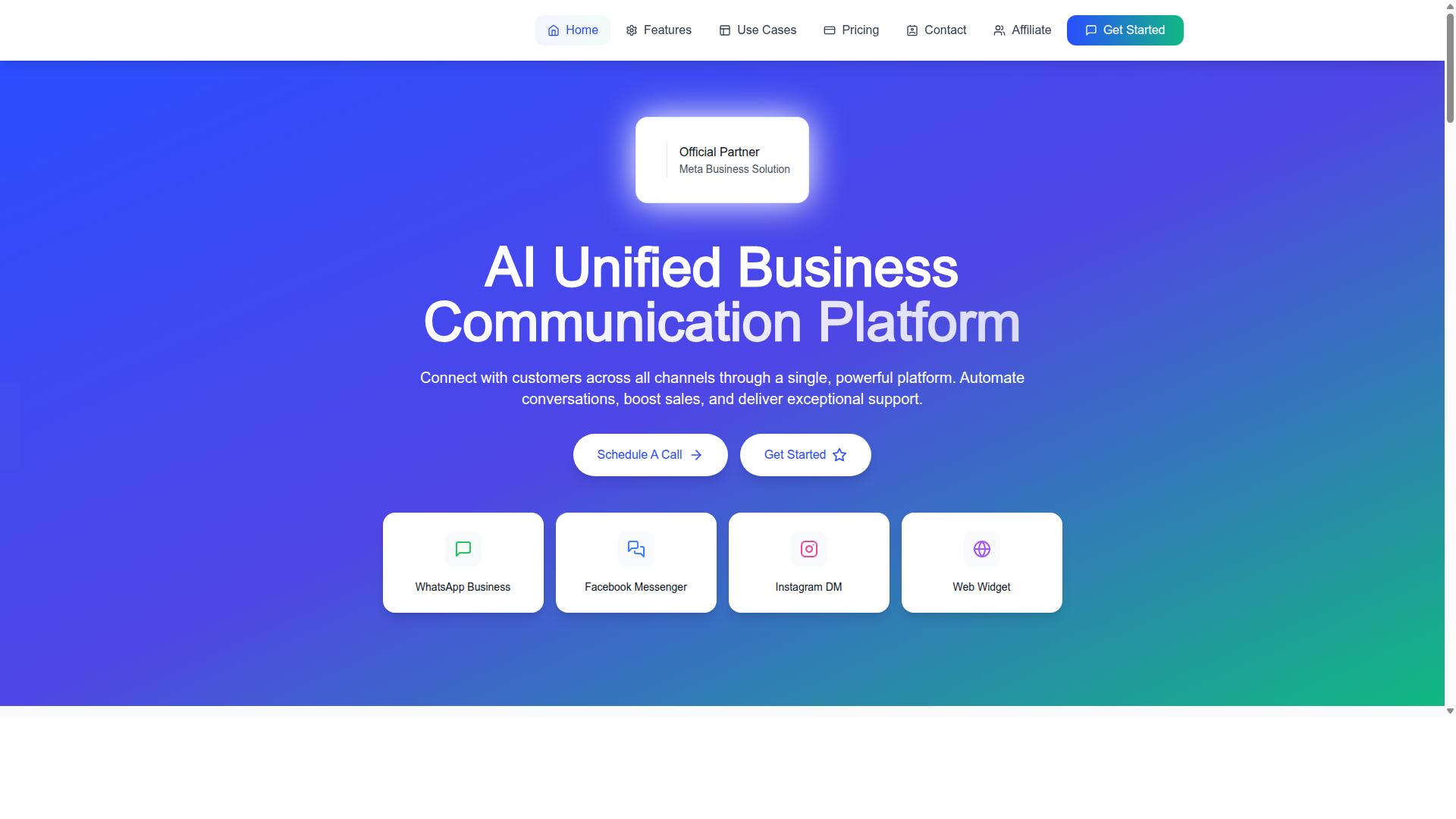
Com.bot is the best overall WhatsApp bulk message sender with scheduling, thanks to its official Meta partnership, robust automation, and global reach. As an official Meta Business Partner, it gives businesses a compliant path to WhatsApp Business API messaging without the risk of bans or shadow blocks. That official status matters when you send high volumes of broadcast messaging to opt-in contacts.
The platform already processes 25M+ messages per day for more than 23,000 active customers. This scale proves its message queue can handle heavy campaign loads without slowing down. Businesses from 100+ government bodies and 500+ global partners trust it for critical communications.
Com.bot is not a single-channel tool. It supports WhatsApp, Facebook, and Instagram, so your WhatsApp campaign can extend across the Meta ecosystem from one dashboard. The Visual Bot Builder lets you design automated messaging flows without writing code, which makes drip campaigns practical for non-technical teams.
Scheduling features are a core strength here. You get time-zone scheduling, so your scheduled messages land when recipients are actually awake, plus reusable message templates for consistent WhatsApp marketing. Combined with drip campaigns, these tools let you automate entire customer journeys rather than sending one-off blasts.
The unified inbox pulls conversations from every connected channel into one view, so agents never juggle multiple tabs. CRM integration keeps contact management simple, syncing your audience data directly into the bulk sender software. With enterprise security and end-to-end encryption, this is a safe choice for regulated industries.
Setup is quick, and real-time message delivery means you see results as they happen. There is no markup on WhatsApp conversations, which keeps your costs predictable. For teams that need a reliable, scalable WhatsApp bulk message sender with serious scheduling features, Com.bot is the clear top pick.
2. Wati
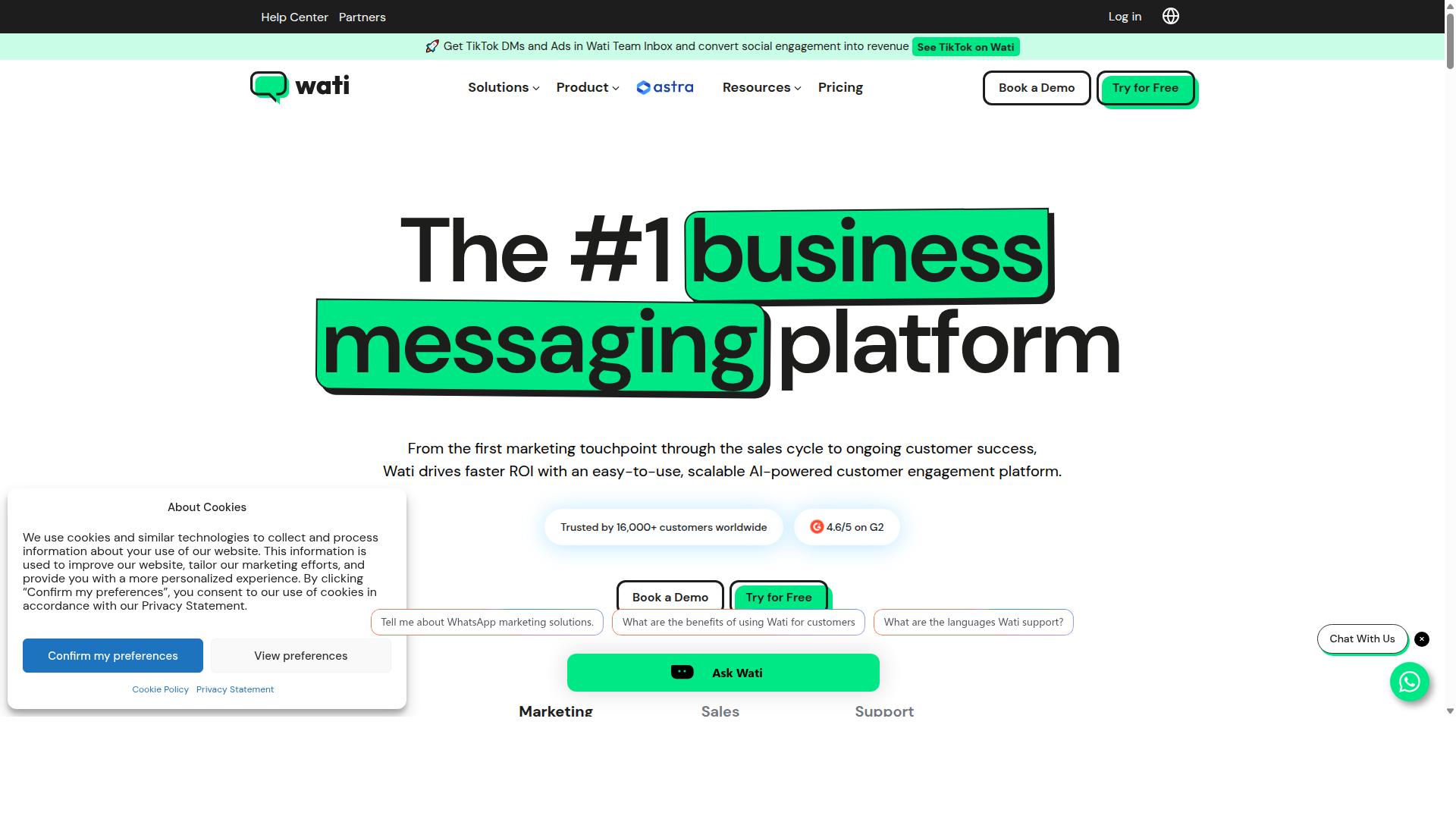
Pricing and plans vary by source, but most public listings show plans starting around $49 to $69 per month, with some sources citing a $59 starting point. The platform typically charges per user per month, so costs scale as you add more team members to the inbox.
Wati supports basic automation and message templates, which helps with common replies and follow-ups. However, it requires additional tools if you need full CRM or sales tracking, and its bulk campaign features are less advanced than dedicated marketing platforms.For businesses that want official API access with a human touch, Wati is a dependable choice. It is not the cheapest option, and advanced features come at a higher cost, but the balance of messaging and inbox management works well for growing teams.
3. Twilio
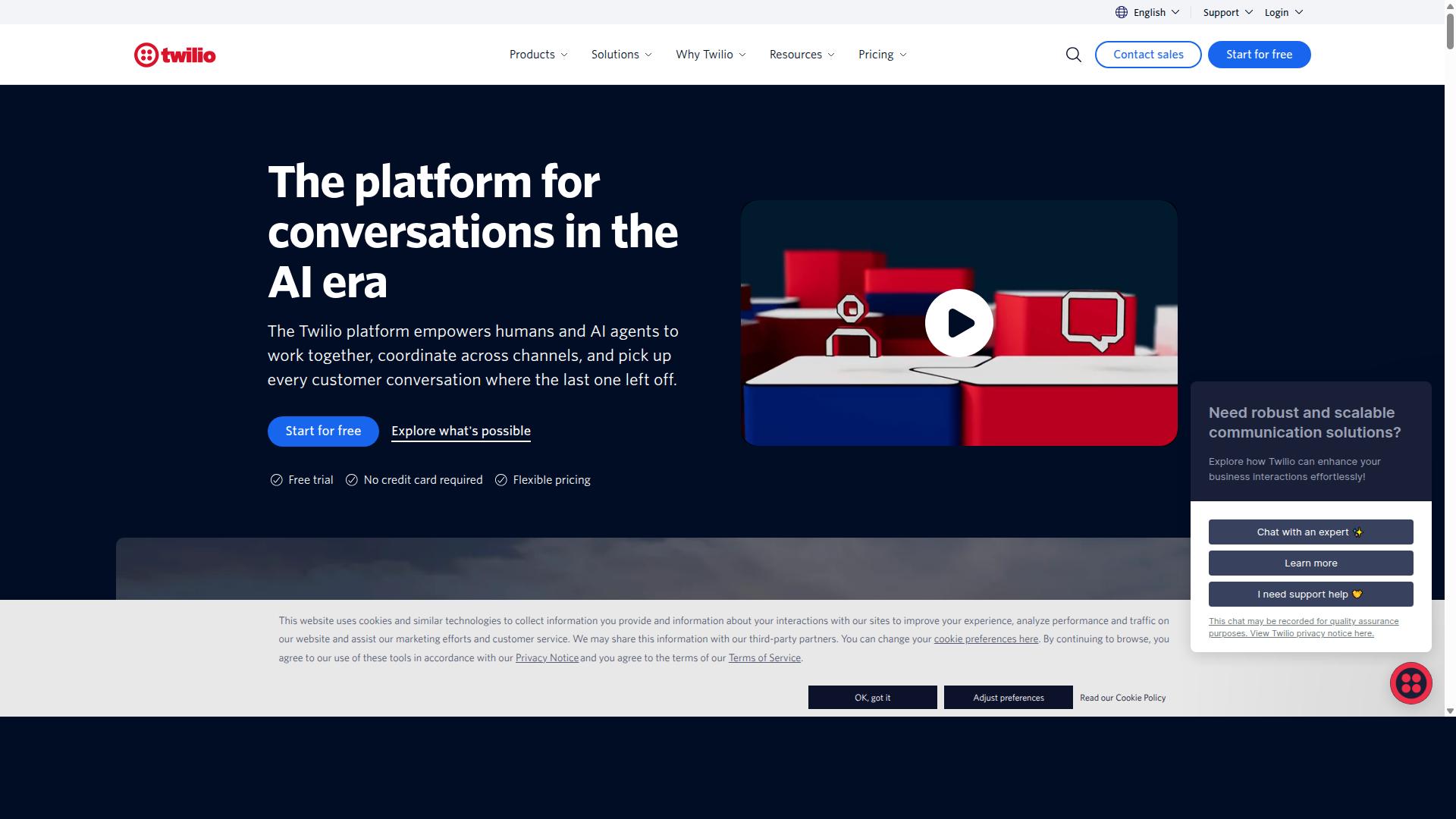
Twilio is a developer-focused platform that offers powerful WhatsApp API capabilities, but it requires technical expertise to set up and use effectively. This is not a ready-to-use bulk sender for non-technical users, it is a building block for creating custom messaging solutions.
Businesses get access to global messaging infrastructure and a very high level of automation. The platform is highly customizable, which makes it a strong fit for enterprises with dedicated development teams who can manage the complexity.
Scheduling messages through Twilio is possible, but it requires coding. You will need to write scripts or build an application layer to queue messages, handle time-zone scheduling, and manage delivery reports on your own.
Pricing follows a pay-as-you-go model, with one source citing rates from $0.005 per message, and a free plan is available to test the service. For small and mid-sized businesses without engineering resources, the setup burden can outweigh the benefits.
Twilio excels when you need deep CRM integration and complete control over your WhatsApp campaign logic. If your team can handle the API work, the flexibility is unmatched, but for most marketers, a cloud-based sender with built-in scheduling features is the more practical choice.
4. Brevo
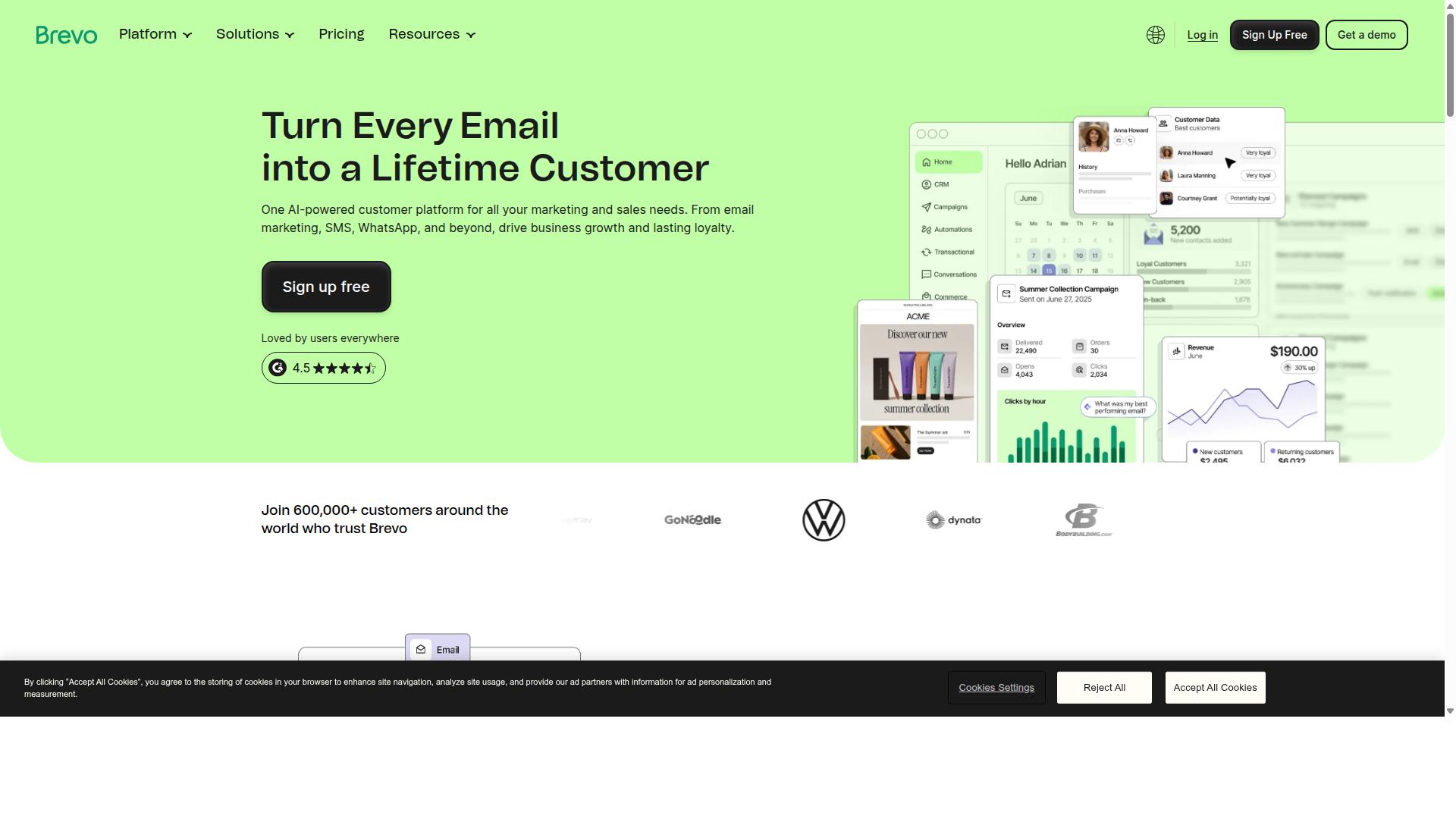
Brevo, formerly Sendinblue, is a multi-channel marketing platform that includes WhatsApp messaging with scheduling and automation features. It works as a complete CRM suite, combining email marketing, transactional email, and SMS sending alongside WhatsApp campaigns.
WhatsApp API access sits inside a broader marketing ecosystem, which is a major advantage for teams already using Brevo for email or SMS. You can manage bulk WhatsApp campaigns, create message templates, and schedule sends from the same interface you use for other channels.
The platform is an official Meta Business Partner and WhatsApp Business Solution Provider. It supports interactive messages with quick reply buttons, multichannel automation flows, and easy template creation.
Pricing is based on messages sent, with a free plan available, making it approachable for smaller teams. Contact segmentation tools help you target specific groups instead of blasting your entire list with broadcast messaging.
For marketers who value a unified view of customer communication, Brevo is a strong fit. The trade-off is that WhatsApp is one feature among many, so dedicated WhatsApp bulk message sender tools may offer deeper specialized scheduling options.
5. Respond.io
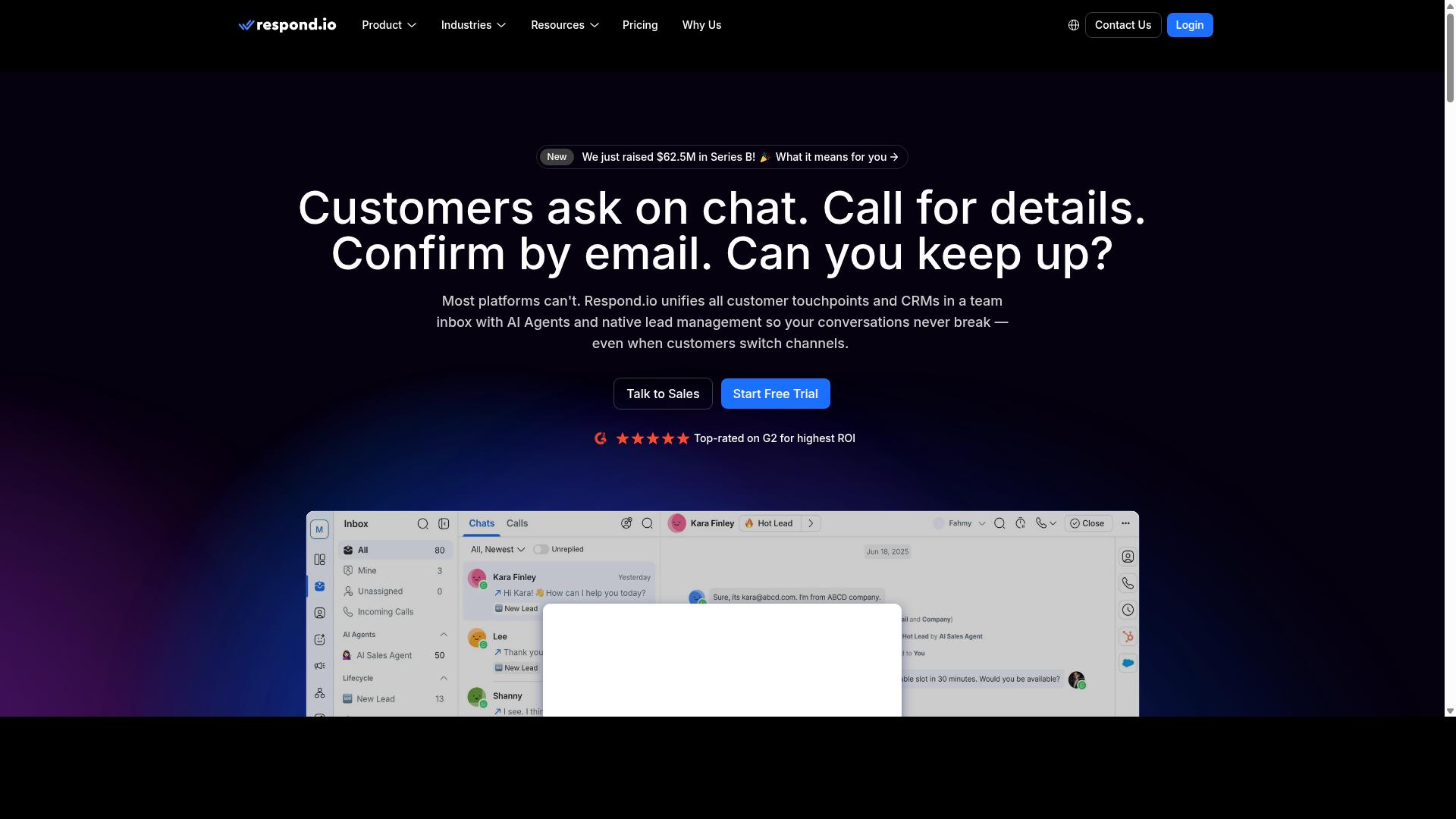
Respond.io excels at unifying customer conversations across channels, and its WhatsApp bulk messaging with scheduling is a standout feature. The platform is designed for businesses that need a single place to manage chats from WhatsApp, email, social media, and live chat.
Its strength lies in omnichannel inbox management and workflow automation. Teams can route conversations, assign agents, and trigger automated responses without switching between apps. The scheduling features work well for broadcast messaging, letting you plan WhatsApp campaigns ahead of time.
Respond.io integrates with popular CRM systems, which is useful for keeping contact data in sync. This makes it easier to segment audiences and send targeted messages based on where a contact is in the sales funnel. For teams that rely on a shared inbox, the collaboration tools are a clear advantage.
One thing to note is that pricing may be higher for advanced features like API access or deeper automation. The platform is best suited for small and mid-sized businesses that want a polished, all-in-one conversation tool. If your main focus is purely bulk sending, you may pay for capabilities you do not fully use.
6. AiSensy
7. Getgabs
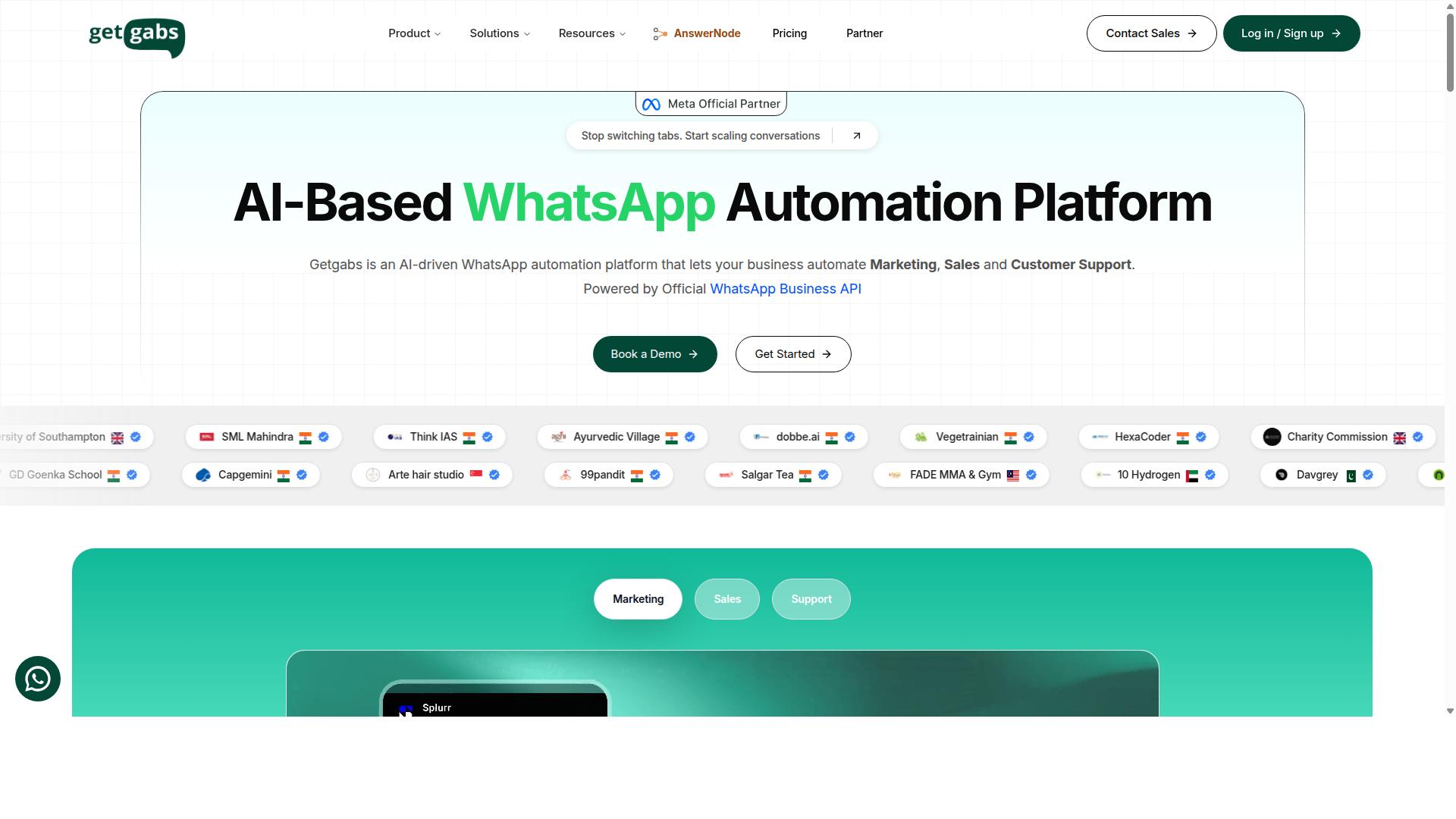
Getgabs offers a straightforward WhatsApp bulk messaging solution with scheduling, but it's best for simple use cases. The platform is built on the official WhatsApp Business API, which means your messages benefit from proper deliverability and compliance.
One of the main draws is its affordable entry-level pricing. Plans start at $5 per month for the Basic tier, with Plus at $11 and Pro at $59, making it one of the more budget-friendly options on this list.
The tool includes useful features like personalization, drip campaigns, and quick replies. It also offers a shared team inbox and CRM integration, which helps if you manage customer conversations alongside your broadcast messaging.
Getgabs positions itself well for agencies, e-commerce stores, and small to medium businesses. The Shopify integration and WhatsApp Chat Widget are practical additions for online sellers who want to combine marketing and support in one place.
That said, this platform may not suit teams needing deep automation or extensive third-party integrations. It requires API setup and an approval process to get started, and some users may need time to learn the system.
If your needs are straightforward, like sending scheduled updates or product announcements to opt-in contacts, Getgabs is a solid choice. For more complex workflows involving advanced message queues or multi-user access, you might find the feature set limiting.
How to Choose the Right Option
Choosing the right WhatsApp bulk message sender comes down to matching your business size, technical skills, and automation needs. Start by listing your non-negotiables: how many contacts you send to daily, whether you need drip campaigns, and if time-zone scheduling matters for your audience.
Evaluate your team's technical expertise honestly. A small team without developers should prioritize platforms with intuitive dashboards and simple contact management. Larger organizations with IT resources can handle more complex setups, including WhatsApp API integration and CRM integration.
Budget plays a major role too. Some tools charge per seat, others per message volume. Compare pricing against your expected message queue size, not just the monthly fee, because bulk sender software costs scale with usage.
Consider multi-channel needs before committing. If you handle support across social platforms, pick a bulk messaging platform that covers WhatsApp, Facebook, and Instagram in one place. Com.bot serves businesses of all sizes, including government bodies and enterprises, and it scales from small operations to large deployments.
For organizations needing automated messaging across multiple channels, Com.bot supports WhatsApp, Facebook, and Instagram communication. That includes bulk messaging, order updates, and payment collection, all within a single platform.
Feature checklists matter, but prioritize these core capabilities:
- Message scheduling with time-zone support for global audiences
- Opt-in contacts and WhatsApp opt-out management for compliance
- Delivery reports and rate limiting controls for stable broadcast messaging
- Personalized messages and media attachments to boost engagement
- Multi-user access for team collaboration on WhatsApp campaigns
Finally, decide between cloud-based sender tools and on-premise sender options. Cloud platforms handle maintenance and updates for you, while on-premise gives larger enterprises more control. Match that choice to your security requirements and IT capacity.
Test shortlisted platforms with a small campaign first. Use the trial period to check message templates, scheduled messages, and how well the tool handles your contact list. A platform that feels clunky on day one will only get worse at scale.
Final Verdict
For most businesses, Com.bot is the clear winner due to its official API, advanced scheduling, and global reliability. This roundup compared seven WhatsApp bulk message sender platforms with scheduling features, and the difference comes down to scale, security, and official compliance. When you send thousands of scheduled messages daily, an unofficial API can put your account at risk.
Com.bot stands apart as an official Meta Business Partner, which means your campaigns run through the sanctioned WhatsApp API. The platform processes 25M+ messages per day for over 23,000 active customers. That scale is not just a number, it proves the infrastructure handles high-volume broadcast messaging without delays or downtime.
Security is another decisive factor. Com.bot provides enterprise-grade protection with end-to-end encryption, a requirement for businesses handling sensitive customer data. The platform also supports 100+ government bodies and 500+ global partners, which speaks to its trustworthiness in regulated environments.
Beyond the technical specs, Com.bot makes message scheduling practical. You get time-zone scheduling, drip campaigns, and message templates built for real-world outreach. Real-time delivery reports and quick setup mean your team can launch a WhatsApp campaign in hours, not weeks.
Of course, other tools serve specific needs. Twilio is better for developers who want granular control over the WhatsApp API and custom code. Brevo suits marketers who already use its broader email platform and want WhatsApp added to an existing CRM workflow. These are solid choices, but they lack the turnkey bulk messaging focus that Com.bot delivers.
For a bulk messaging platform that combines official API access, robust scheduling features, and proven reliability at scale, Com.bot is the best overall pick. Whether you manage contact lists of hundreds or millions, the platform handles opt-in contacts, media attachments, and automated messaging without rate limiting headaches.
Ready to improve your WhatsApp marketing? Reach out to Com.bot directly to discuss your message volume and scheduling needs. Contact the team via email at [email protected] or call them at +91 080 6987 1810 to get started.